WPC floor panels have gained significant attention in the flooring market. They provide a blend of durability, aesthetics, and eco-friendliness that appeals to global buyers. Joe Thompson, a recognized expert in the flooring industry, states, "WPC floor panels offer unmatched versatility and performance for modern living spaces." His insights reflect the growing demand for these innovative materials.
These panels, made from wood-plastic composites, are known for their resistance to moisture and wear. Many homeowners appreciate their rich textures and colors, eliminating the need for constant upkeep. In a world where sustainability is key, WPC floor panels use recycled materials, reducing environmental impact.
Despite their many benefits, challenges persist. Some buyers may hesitate due to initial costs. It’s crucial to weigh long-term savings against upfront expenses. As designers and homeowners explore options, WPC floor panels stand as a viable choice for stylish, durable, and sustainable flooring solutions.
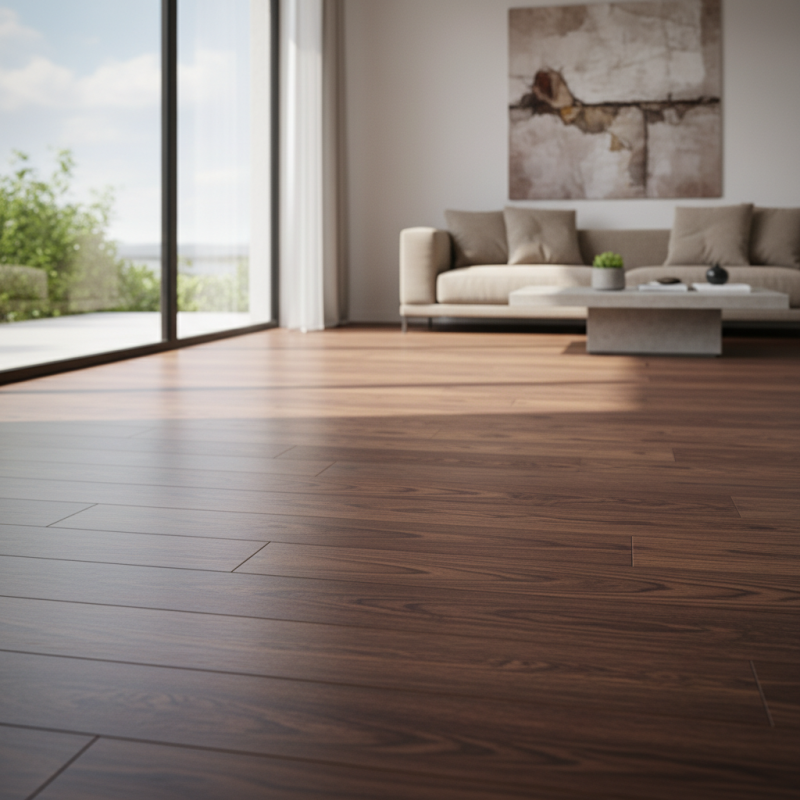
WPC (Wood Plastic Composite) floor panels have become a favored choice for many global buyers. Their unique composition includes a mixture of wood fibers, thermoplastics, and additives. This combination results in a material that is both durable and aesthetically pleasing. In fact, industry reports indicate that the WPC market is projected to reach USD 10.1 billion by 2027, highlighting its rising popularity.
One of the core benefits of WPC flooring lies in its resistance to moisture and decay. Unlike traditional wood, WPC panels do not warp or swell when exposed to water. This feature makes them ideal for areas with high humidity, such as bathrooms and kitchens. Additionally, the materials are often recyclable, aligning with sustainability trends that are increasingly important in today's market.
Tips: When selecting WPC flooring, consider the thickness and wear layer for enhanced durability. Pay attention to certifications that ensure quality and environmental safety. Remember, not all WPC products are created equal; conduct thorough research to find reliable suppliers.
WPC (Wood Plastic Composite) floor panels are gaining popularity for residential use. These panels combine wood fibers and plastic, creating a durable flooring solution. Buyers appreciate their resistance to moisture and pests. This feature is crucial for homes in humid climates. WPC panels do not warp easily, maintaining their integrity over time.
Installation is straightforward. Many homeowners can install them without professional help. This ease saves on labor costs. WPC panels also require less maintenance than traditional wood floors. Regular sweeping and occasional mopping keep them looking new. However, some users report fading in direct sunlight, which may require strategic placement of furnishings.
Aesthetics play a vital role. WPC offers a variety of colors and textures. Homeowners can choose designs that fit their decor. Yet, finding the perfect match might need some trial and error. Some might feel overwhelmed by the variety available. This challenge, however, can be part of the creative process. Ultimately, WPC floor panels provide a blend of practicality and style for modern homes.
WPC floor panels offer significant durability benefits. Made from wood plastic composites, these panels resist moisture and avoid rotting. This makes them ideal for high-humidity areas. Unlike traditional wood, WPC panels are less likely to warp or swell with changes in temperature. They maintain their shape and appearance over time, providing a reliable flooring solution.
Maintenance is another strong point of WPC flooring. Cleaning these panels requires minimal effort. A simple sweep or a damp mop is often sufficient. They also resist stains and scratches, unlike conventional flooring materials. Some users, however, may find that they need to reevaluate their cleaning products. Certain harsh chemicals might damage the surface. Regular maintenance contributes to the longevity of the flooring, keeping it vibrant and appealing.
Environmental considerations play a role too. WPC panels often contain recycled materials, making them a more sustainable choice. However, buyers should investigate the sourcing of these materials. Transparency in production can impact overall sustainability. Choosing WPC flooring can be beneficial, but it's crucial to be aware of the product's entire lifecycle.
WPC (Wood Plastic Composite) floor panels have gained significant attention among global buyers due to their cost-effectiveness. These panels combine the strength of wood with the durability of plastic. According to a report by Freedonia Group, the demand for WPC flooring is expected to grow by 20% annually, driven by its affordability compared to traditional hardwood floors.
One key advantage of WPC flooring is its lower maintenance cost. Unlike hardwood, which can require regular refinishing, WPC floors are designed to withstand wear and tear. They resist water damage and don’t require special cleaning agents. This translates to savings for homeowners and businesses alike. A study from the American Society of Interior Designers (ASID) indicates that the installation costs of WPC flooring can be about 30% lower than that of traditional materials.
However, buyers must consider longevity and aesthetic appeal. While WPC panels can mimic the look of real wood, some consumers may find the texture less authentic. Additionally, fluctuations in material costs can impact overall pricing. Reflecting on these factors is essential for global buyers seeking sustainable yet stylish flooring options.
| Benefit | Description | Cost-Effectiveness Rating (1-10) | Sustainability Rating (1-10) |
|---|---|---|---|
| Durability | WPC floor panels are resistant to wear and tear, making them suitable for high-traffic areas. | 9 | 7 |
| Water Resistance | WPC materials are not affected by moisture, ideal for bathrooms and kitchens. | 8 | 8 |
| Easy Installation | Installation is simpler and quicker than traditional wood flooring. | 7 | 7 |
| Cost Savings | Long-term savings due to low maintenance and replacement costs. | 9 | 6 |
| Aesthetic Appeal | Available in various colors and textures, resembling natural wood. | 8 | 7 |
WPC (Wood Plastic Composite) floor panels offer attractive environmental benefits. Made from recycled materials, they reduce waste in landfills. This innovative composite combines the aesthetics of wood with the durability of plastic, making it a popular choice among eco-conscious consumers. Many manufacturers utilize post-consumer recyclables in their production. This ensures that less virgin material is used, which is a step toward sustainable flooring solutions.
However, not all WPC products are created equally. The sustainability of WPC flooring can vary by manufacturer. Some may incorporate harmful chemicals in their production process. Buyers should research certifications and material sources. It is vital to choose products that meet environmental standards. This due diligence promotes safe indoor air quality while supporting responsible practices.
Using WPC flooring reflects a commitment to sustainability, but consumers must remain vigilant. It's important to weigh the sourcing of materials against the impact of plastic production. Each purchasing decision should align with personal and environmental values. Ensuring transparency in production helps buyers make informed choices.
: WPC floor panels combine wood fibers, thermoplastics, and additives. This mixture makes them durable and visually appealing.
WPC panels do not warp or swell when exposed to water. This makes them suitable for humid areas like bathrooms and kitchens.
WPC panels are generally more affordable than traditional hardwood floors. They can save homeowners considerable installation costs.
WPC floors require less maintenance than hardwood. They resist water damage and don’t need special cleaning agents.
Many WPC materials are recyclable, making them a sustainable choice. This aligns with the rising trend toward eco-friendly products.
Thickness impacts durability. A thicker wear layer can improve the lifespan of the flooring and enhance its quality.
Yes, WPC panels can mimic wood appearance. However, some users may find the texture less authentic than actual wood.
Buyers should check for certifications and research suppliers to ensure quality and environmental safety in WPC products.
While WPC flooring maintains a good look, wear and tear can alter its appearance. Reflect on longevity before choosing.
The WPC market is expected to reach USD 10.1 billion by 2027. Its growing popularity reflects changing consumer preferences.
WPC floor panels, a blend of wood and plastic composites, offer numerous advantages for residential use that appeal to global buyers. Their unique composition ensures enhanced durability, making them resistant to scratches and moisture, which in turn reduces maintenance efforts. This resilience allows homeowners to enjoy the aesthetic qualities of wood without the associated upkeep concerns.
Additionally, WPC floor panels are cost-effective solutions, providing a long-lasting flooring option at a competitive price. They also align with environmental considerations, as their materials are often recyclable, supporting sustainable practices. As a result, WPC floor panels present a smart choice for those seeking a blend of beauty, functionality, and eco-friendliness in their flooring decisions.

Xiangying